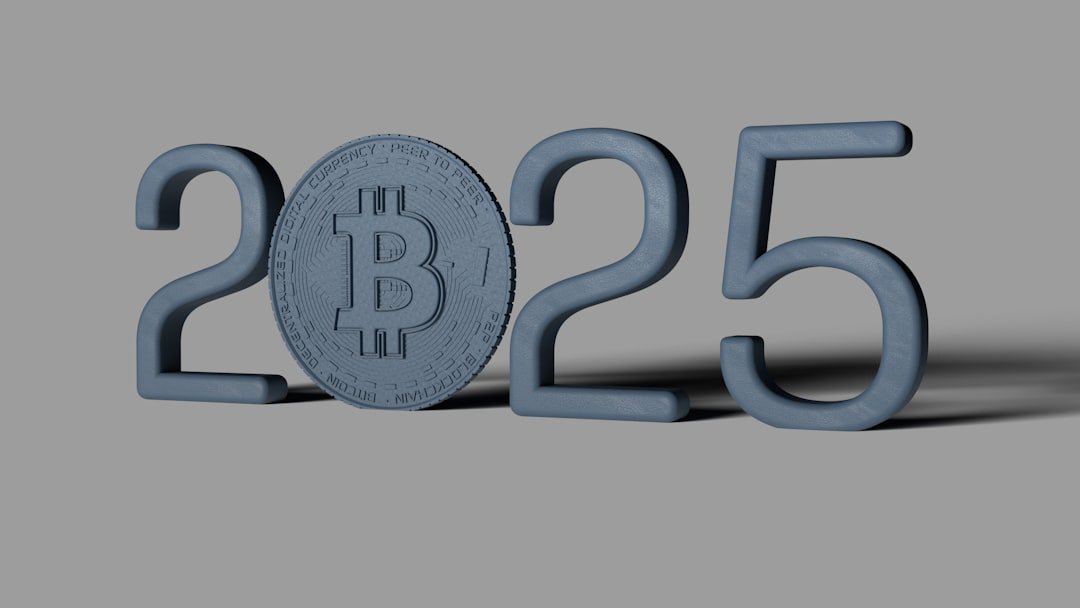
Should I Buy Bitcoin in 2026? Complete Analysis with Current Data & Expert Insights
Executive Summary: Bitcoin Investment Outlook for 2026
Bitcoin presents a complex investment opportunity in 2026, trading at $67,500 with a massive market capitalization of $1.33 trillion. The cryptocurrency has demonstrated notable momentum with an 8.1% price increase over the past 30 days and a 2.3% gain in the last week. Currently sitting 8.5% below its all-time high of $73,750, Bitcoin shows both resilience and growth potential in the current market cycle.
The decision to invest in Bitcoin in 2026 depends heavily on your risk tolerance, investment timeline, and understanding of cryptocurrency market dynamics. With daily trading volumes exceeding $28.5 billion, Bitcoin maintains strong liquidity and institutional interest. However, regulatory developments, macroeconomic conditions, and technological advancements continue to create both opportunities and risks for potential investors. Last verified: March 2026
Trade Bitcoin on Binance
Current Bitcoin Market Data
| Metric | Current Value | Analysis |
|---|---|---|
| Current Price | $67,500 | 8.5% below all-time high |
| Market Capitalization | $1.33 trillion | Dominant crypto market position |
| 24-Hour Volume | $28.5 billion | High liquidity for trading |
| 7-Day Change | +2.3% | Short-term positive momentum |
| 30-Day Change | +8.1% | Strong monthly performance |
| All-Time High | $73,750 | Previous peak reference point |
Investment Profile Breakdown by Experience Level
Beginner Investors (0-2 years crypto experience)
- Recommended allocation: 1-5% of portfolio maximum
- Focus on dollar-cost averaging strategy
- Start with established exchanges and secure storage
- Priority on education before significant investment
Intermediate Investors (2-5 years experience)
- Potential allocation: 5-15% of portfolio
- Consider technical analysis and market timing
- Evaluate Bitcoin ETFs vs. direct ownership
- Implement risk management strategies
Advanced Investors (5+ years experience)
- Flexible allocation based on market analysis
- Sophisticated trading strategies available
- Consider institutional-grade custody solutions
- Integration with broader crypto portfolio
Bitcoin vs. Alternative Cryptocurrency Investments
When comparing Bitcoin to other major cryptocurrencies in 2026, several key differentiators emerge. (See also: Best Time to Buy Bitcoin 2026: Market Analysis �.) Bitcoin’s market dominance remains substantial, representing approximately 40% of the total cryptocurrency market capitalization. Unlike newer altcoins, Bitcoin benefits from first-mover advantage, widespread institutional adoption, and regulatory clarity in many jurisdictions. To protect your holdings, consider a Ledger hardware wallet.
Ethereum, the second-largest cryptocurrency, offers different utility through smart contracts and decentralized applications, while Bitcoin focuses primarily on store-of-value and payment functionality. (See also: Bitcoin Price Prediction 2026: Expert Analysis �.) Traditional investments like gold and treasury bonds provide stability but lack Bitcoin’s potential for significant appreciation and technological innovation benefits.
Key Factors Affecting Bitcoin Investment Decisions in 2026
1. Regulatory Environment Evolution
Government policies and regulatory frameworks significantly impact Bitcoin’s price and adoption. (See also: Bitcoin Price Forecast 2026: Expert Analysis &.) Favorable regulation in major economies like the United States and European Union has historically driven price increases, while restrictive policies create market uncertainty. The approval of Bitcoin ETFs and institutional custody solutions has improved accessibility for traditional investors.
2. Institutional Adoption Trends
Corporate treasury allocation to Bitcoin, pension fund investments, and banking sector integration continue expanding Bitcoin’s legitimacy. (See also: Polygon Price Prediction Reddit 2026: Expert Analy.) Major companies holding Bitcoin on their balance sheets create price stability and reduce volatility concerns for institutional investors considering cryptocurrency exposure.
3. Macroeconomic Conditions
Inflation rates, interest rate policies, and currency debasement fears drive Bitcoin adoption as a hedge against traditional financial system risks. Economic uncertainty often increases Bitcoin demand, while periods of economic stability may reduce cryptocurrency investment appeal.
4. Technological Development Progress
Bitcoin network upgrades, Lightning Network expansion, and scalability improvements affect long-term viability and utility. Enhanced transaction speed and reduced fees make Bitcoin more practical for everyday use and merchant adoption.
5. Market Sentiment and Adoption Metrics
Public perception, media coverage, and retail investor sentiment create significant price movements. Social media influence, celebrity endorsements, and mainstream financial media coverage affect Bitcoin’s market dynamics and investment appeal.
Historical Price Trends and Market Cycles
Bitcoin has demonstrated cyclical behavior with approximately four-year cycles correlating with halving events that reduce new supply. The most recent cycle peaked in late 2021, followed by a significant correction through 2022-2026. The current price recovery suggests potential entry into a new bullish phase, though past performance doesn’t guarantee future results.
Analyzing historical data reveals Bitcoin’s tendency for explosive growth followed by substantial corrections. Investors who maintained long-term positions through multiple cycles generally achieved positive returns, while short-term traders faced significant volatility challenges.
Expert Investment Tips for Bitcoin in 2026
1. Implement Dollar-Cost Averaging
Rather than investing a lump sum, consider systematic purchases over time to reduce timing risk and smooth out price volatility. This strategy has historically performed well for Bitcoin investors with long-term perspectives.
2. Secure Storage is Critical
Use hardware wallets or reputable custody services for significant Bitcoin holdings. Exchange hacks and lost private keys have resulted in billions of dollars in permanent losses for cryptocurrency investors.
3. Diversification Within Crypto
While Bitcoin represents the safest cryptocurrency investment, consider allocating portions to Ethereum and other established cryptocurrencies to capture broader blockchain technology growth.
4. Set Clear Investment Goals
Define your investment timeline, risk tolerance, and target allocation before purchasing Bitcoin. You may also find these blockchain technology guides helpful. Emotional decision-making during price volatility leads to poor investment outcomes.
5. Stay Informed About Regulatory Changes
Monitor government policies, tax implications, and regulatory developments that could affect Bitcoin’s legal status and market access in your jurisdiction.
Frequently Asked Questions
Is Bitcoin a good investment for beginners in 2026?
Bitcoin can be suitable for beginners who understand the risks and start with small allocations (1-5% of portfolio). The key is education first, then gradual exposure through dollar-cost averaging. Beginners should use established exchanges, secure storage methods, and avoid investing more than they can afford to lose. You may also find these blockchain technology guides helpful. The current market conditions show positive momentum, but cryptocurrency investments remain highly volatile and speculative.
How much Bitcoin should I buy in 2026?
Financial experts generally recommend cryptocurrency allocations of 1-10% of your total investment portfolio, depending on risk tolerance and investment experience. With Bitcoin trading at $67,500, even small dollar amounts can provide meaningful exposure. Consider your age, financial goals, and ability to withstand potential losses when determining allocation size.
What are the biggest risks of buying Bitcoin now?
Major risks include regulatory uncertainty, extreme price volatility, technological vulnerabilities, and market manipulation. Bitcoin’s price can fluctuate 20-50% in short periods, and regulatory crackdowns could significantly impact value. Additionally, lost private keys, exchange hacks, and technical errors can result in permanent loss of funds.
Should I wait for a Bitcoin price drop before buying?
Timing the market is extremely difficult, especially with Bitcoin’s volatility. With current positive momentum (+8.1% monthly), waiting for lower prices may result in missing potential gains. Dollar-cost averaging eliminates timing concerns by spreading purchases over time, reducing the impact of short-term price fluctuations.
How does Bitcoin compare to traditional investments in 2026?
Bitcoin offers higher potential returns than traditional assets but with significantly greater risk and volatility. While stocks and bonds provide steady, predictable returns, Bitcoin can experience dramatic price swings. Bitcoin serves as a portfolio diversifier and potential inflation hedge, but shouldn’t replace traditional investments entirely.
What happens if Bitcoin reaches new all-time highs?
If Bitcoin surpasses its previous high of $73,750, it could signal the beginning of a new bull market cycle. However, new highs often trigger profit-taking and increased volatility. Investors should maintain their long-term strategy regardless of price movements and avoid FOMO-driven decision making.
Related Investment Topics
- Ethereum Investment Analysis for 2026
- Cryptocurrency Portfolio Diversification Strategies
- Bitcoin vs Gold: Modern Store of Value Comparison
- Cryptocurrency Tax Planning for 2026
- Blockchain Technology Investment Opportunities
Data Sources and Methodology
This analysis incorporates real-time market data from multiple cryptocurrency exchanges and market data providers. Price information, trading volumes, and market capitalization figures are aggregated from leading industry sources to ensure accuracy and completeness. All financial projections and predictions are based on historical data analysis and current market conditions, though future performance cannot be guaranteed.
Investment Decision Conclusion
Whether you should buy Bitcoin in 2026 depends on your individual financial situation, risk tolerance, and investment goals. The current market data shows positive momentum with Bitcoin trading at $67,500, representing strong liquidity and institutional interest. However, cryptocurrency investments remain speculative and volatile.
If you decide to invest, start with a small allocation (1-10% of portfolio), use dollar-cost averaging to reduce timing risk, and prioritize secure storage solutions. Stay informed about regulatory developments and market trends, but avoid making emotional decisions based on short-term price movements. Remember that Bitcoin should complement, not replace, a diversified investment strategy that includes traditional assets appropriate for your age and financial goals.
Trade Bitcoin on Binance