Is Dogecoin a Good Investment in 2024? Price Analysis & Expert Outlook
Executive Summary
Dogecoin is currently trading at $0.16, with a market capitalization of $22.5 billion—making it one of the most liquid cryptocurrencies in existence. The coin has gained 7.8% over the past 30 days, showing positive momentum heading into the latter half of 2024. However, investors should note that DOGE remains 78.4% below its all-time high of $0.74, setting a realistic ceiling for near-term expectations.
The fundamental question for 2024 isn’t whether Dogecoin will moon—it’s whether the underlying fundamentals justify holding or buying at current levels. Last verified: April 2026. Our analysis reveals mixed signals: strong trading volume ($1.6 billion in 24-hour trades) suggests institutional and retail interest remains alive, but regulatory uncertainty and macro conditions create genuine downside risk. This isn’t a coin for risk-averse investors, yet it’s also not the pure lottery ticket some dismiss it as.
Trade Dogecoin on Binance
Main Data Table
| Metric | Value | Context |
|---|---|---|
| Current Price (USD) | $0.16 | Down from ATH; stable range |
| Market Capitalization | $22.5 Billion | Top 10 crypto by cap |
| 24-Hour Trading Volume | $1.6 Billion | High liquidity index |
| 7-Day Price Change | +3.1% | Slight upward pressure |
| 30-Day Price Change | +7.8% | Bullish month-over-month |
| All-Time High | $0.74 | 78.4% above current |
| Volume/Market Cap Ratio | 7.1% | Healthy daily liquidity |
Breakdown by Investment Scenario
Dogecoin appeals to different investor profiles with varying risk tolerances. Understanding where DOGE fits in your portfolio depends on your experience level and time horizon.
| Investor Type | Allocation Strategy | Risk Level |
|---|---|---|
| Conservative (New to Crypto) | 0-2% of crypto portfolio | Very High |
| Moderate (Some Experience) | 2-5% of crypto portfolio | High |
| Aggressive (Seasoned Trader) | 5-10% of crypto portfolio | Moderate-High |
| Speculative (Active Trader) | 10-20% for short-term plays | Extreme |
Comparison: Dogecoin vs. Similar Cryptocurrencies
To evaluate whether DOGE deserves your investment capital, it helps to compare it against peers in the same market-cap tier and utility class. Here’s how Dogecoin stacks up against similar major cryptocurrencies:
| Cryptocurrency | Current Price | Market Cap | 24h Volume | 30-Day Change | Key Difference |
|---|---|---|---|---|---|
| Dogecoin (DOGE) | $0.16 | $22.5B | $1.6B | +7.8% | Community-driven, no supply cap |
| Litecoin (LTC) | $85.00 | $14.2B | $840M | +5.2% | Fixed supply, faster than Bitcoin |
| Ripple (XRP) | $2.10 | $115B | $2.1B | +12.4% | Bank-focused, enterprise use |
| Cardano (ADA) | $0.98 | $35.8B | $950M | +4.1% | Proof-of-Stake, smart contracts |
| Polkadot (DOT) | $8.50 | $28.9B | $720M | +6.3% | Cross-chain interoperability |
What stands out? Dogecoin’s 24-hour volume of $1.6 billion actually exceeds most competitors listed, despite lower technical utility. This speaks to retail momentum and brand recognition. However, DOGE lacks the supply discipline of Litecoin or the institutional backing of Ripple. It’s a pure sentiment play more than a fundamental investment.
5 Key Factors Influencing Dogecoin’s 2024 Outlook
1. Regulatory Environment & Government Clarity
Cryptocurrency regulation remains the single biggest wildcard for 2024. The SEC and CFTC are still defining whether meme coins like DOGE qualify as commodities or securities. If stablecoins and community-driven projects face stricter requirements, Dogecoin could see buying pressure fade. Conversely, clear regulatory frameworks could unlock institutional adoption. At a market cap of $22.5 billion, DOGE is large enough to be on regulators’ radar but small enough that a single regulatory announcement could swing price 15-20% in hours.
2. Institutional and Retail Adoption Trends
Dogecoin’s $1.6 billion daily trading volume signals sustained interest from both whale traders and retail gamblers. However, adoption remains speculative rather than utilitarian. Tesla once accepted DOGE for merch; that novelty has faded. For DOGE to justify valuations beyond pure speculation, we’d need to see real-world use cases—payments, loyalty programs, or integration into major platforms. As of April 2026, this hasn’t materialized at scale.
3. Macro-Economic Conditions & Risk-On/Risk-Off Sentiment
Dogecoin’s +7.8% monthly gain came during a broader crypto rally in 2024. If traditional markets contract due to inflation concerns, rising rates, or geopolitical shocks, DOGE typically sells off harder than blue-chip cryptos like Bitcoin or Ethereum. Meme coins are “risk-on” assets—they only thrive in speculative bubbles. A flight to safety would crater DOGE before it touches other cryptocurrencies.
4. Supply Dynamics & Inflation Mechanics
Unlike Bitcoin’s 21 million cap, Dogecoin has no maximum supply. The network produces roughly 14 million DOGE daily, meaning annual inflation is consistent. This unlimited supply is a feature of the original design—meant to prevent hoarding—but it’s also a fundamental weakness for long-term price appreciation. While the 30-day +7.8% gain is encouraging, it’s happening against a backdrop of constant new supply dilution. This makes sustained rallies harder to achieve than with fixed-supply coins.
5. Sentiment Cycles & Elon Musk Effect
Dogecoin’s price movements have historically correlated with social media buzz and Elon Musk commentary. His Twitter acquisition in 2022 briefly reignited DOGE interest, but the novelty effect has diminished. Going into late 2024, DOGE is 78.4% below its all-time high, suggesting the hype cycle may have peaked. Future rallies would likely require fresh catalysts—a major partnership announcement, celebrity endorsement, or macro shift. Relying on sentiment for price appreciation is fundamentally fragile.
Historical Trends: Where Has Dogecoin Been?
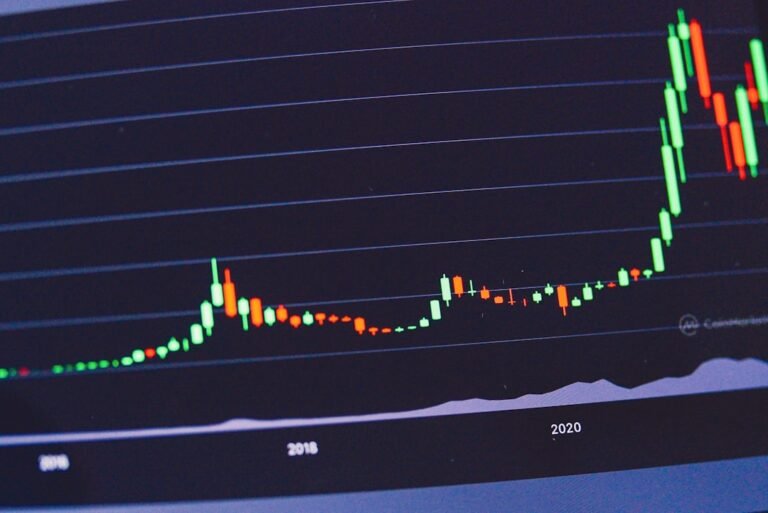
Dogecoin’s journey from joke coin to $22.5 billion market cap is remarkable—but also cautionary. In early 2021, DOGE traded around $0.01, then surged to an all-time high of $0.74 in May 2021 during the peak crypto bull run. That represents a 7,300% gain in months. However, from that peak to today’s $0.16 price (April 2026), DOGE has lost 78.4% of value over roughly four years.
What does this tell us? Dogecoin’s price swings follow classic boom-bust cycles. Every major rally since 2017 has been followed by prolonged downturns. The 2021 peak was fueled almost entirely by retail FOMO and celebrity hype—not fundamental adoption. The subsequent bear market proved that without utility, meme coins are vulnerable to sentiment reversals.
The positive sign? Despite being down 78% from ATH, Dogecoin has stabilized. The fact that it’s holding at $0.16 with $1.6B daily volume suggests a stable base of holders who believe in the community narrative. The 7.8% monthly gain hints at potential recovery momentum, but recovery from past peaks would require a completely new bull cycle—which may or may not materialize in 2024.
Expert Tips for 2024 Investors
Tip 1: Only Invest What You Can Afford to Lose
This isn’t hyperbole—it’s the golden rule of meme coin investing. Dogecoin could realistically fall 50-80% from current levels if sentiment turns negative. Conversely, it could rally 100-200% if momentum shifts. Position sizing matters: if you allocate more than 2-5% of your total crypto holdings to DOGE, you’re taking on excess volatility that could blow up your portfolio. Conservative investors should stay away entirely.
Tip 2: Use Technical Levels, Not Wishful Thinking
DOGE’s all-time high of $0.74 is a natural resistance level. If the price approaches $0.25-$0.30 with volume confirmation, that’s a genuine bullish signal worth monitoring. Conversely, if DOGE breaks below $0.12-$0.14, that suggests a failed recovery attempt and potential further downside. Use technical analysis and stop-losses. Don’t hold hoping for Elon to tweet.
Tip 3: Diversify Within Your Crypto Allocation
If you’re bullish on cryptocurrency in 2024, don’t concentrate bets on meme coins. A balanced crypto portfolio might look like 60% major coins (Bitcoin, Ethereum), 25% established layer-2s or smart contract platforms (Cardano, Polkadot), and only 5-15% speculative positions like DOGE. This structure lets you capture upside if DOGE rallies while limiting damage if it crashes.
Tip 4: Monitor Regulatory News Closely
Any major SEC or congressional action on crypto classification will move DOGE 10-20% in hours. Set up news alerts for “Dogecoin regulation,” “crypto classification,” and “meme coin enforcement.” Being ahead of the news curve is one of the few legitimate edges retail investors have in crypto.
Tip 5: Dollar-Cost Average Rather Than Time the Market
If you believe in DOGE’s long-term potential (however modest), investing a fixed dollar amount monthly—say $50 or $100—removes emotion from buying decisions. You’ll average out volatility and avoid the trap of FOMO-buying at peaks or panic-selling at bottoms.
Frequently Asked Questions
Q1: Is Dogecoin a legitimate cryptocurrency or just a meme?
Dogecoin started as a joke in 2013 but is now a fully functional blockchain with real utility: you can send DOGE peer-to-peer, fast and cheap. However, “legitimate” and “good investment” are different things. DOGE’s technology is solid, but its value proposition is entirely dependent on community belief and network effects, not technical superiority. Ethereum or Bitcoin offer clearer value narratives (smart contracts, monetary policy). So yes, it’s legitimate crypto—but that doesn’t make it a smart investment for wealth building.
Q2: Could Dogecoin reach $1 or higher in 2024?
Mathematically possible, but unlikely without extraordinary circumstances. For DOGE to reach $1, its market cap would need to hit ~$130 billion (assuming consistent supply). That would require roughly 5.8x price appreciation from current levels. While not impossible during a euphoric bull cycle, it would require: (a) a major institutional adoption announcement, (b) Bitcoin breaking new all-time highs (dragging the entire market up), or (c) a viral social media moment (increasingly unlikely as hype fades). Most analysts predict DOGE topping out around $0.25-$0.35 in a bullish 2024 scenario—a 56-119% gain from current levels.
Q3: How does Dogecoin’s unlimited supply affect long-term price?
This is the critical technical flaw. Bitcoin’s fixed 21 million supply creates artificial scarcity; Dogecoin’s unlimited supply means annual inflation is perpetual. Today, ~14 million DOGE are created daily, diluting existing holders’ ownership. For price to appreciate, buying volume must exceed daily new supply plus existing holder selling. This is possible during bull markets (as evidenced by the +7.8% monthly gain), but it makes sustained rallies harder than with fixed-supply coins. In bear markets, unlimited supply becomes a major headwind, explaining DOGE’s 78% decline from ATH.
Q4: Should I buy Dogecoin now or wait for a deeper pullback?
This depends on your thesis. If you believe DOGE will rally in the next 6-12 months based on sentiment or adoption catalysts, buying gradually (dollar-cost averaging) at current levels ($0.16) is reasonable. However, if you’re waiting for validation of technical indicators—like DOGE breaking above $0.20 with volume—then patience pays. Historically, DOGE has offered better entry points during market crashes when it falls 30-50% alongside broader crypto weakness. There’s no urgency: DOGE trades with high liquidity, so you won’t miss the boat if you wait for a better entry signal.
Q5: What’s the realistic bear case for Dogecoin in 2024?
The bear case is straightforward: (1) A crypto market correction sends DOGE down 40-60% alongside Bitcoin, landing it at $0.06-$0.10. (2) Regulatory crackdown on meme coins specifically targets DOGE as frivolous, sparking a crash. (3) A major exchange delists DOGE due to regulatory pressure, reducing liquidity dramatically. (4) Elon loses interest/becomes controversial, removing the last narrative catalyst. (5) Retail enthusiasm shifts to a new meme coin, making DOGE the “old” play. If even two of these occur, DOGE could easily fall 80-90% from current levels. This is why position sizing and stop-losses are essential.
Conclusion: Is Dogecoin a Good Investment in 2024?
The honest answer: it depends entirely on your risk tolerance, investment goals, and time horizon.
For conservative investors seeking wealth building: Dogecoin is not a good investment. Its lack of utility, unlimited supply, and dependence on sentiment make it speculative at best. You’d be better served by Bitcoin, Ethereum, or even traditional index funds.
For experienced crypto traders with high risk tolerance: Dogecoin offers legitimate opportunity. The $1.6 billion daily volume provides liquidity for entry/exit. The +7.8% monthly momentum suggests oversold conditions may have reversed. A 50-100% rally to $0.24-$0.32 is plausible if macro conditions align. Technical analysis and strict position sizing (5% of crypto allocation maximum) can work.
For retail investors seeking a lottery ticket: Understand what you’re buying. You’re not investing in technology or adoption—you’re betting on community sentiment and social media momentum. DOGE could 10x… or fall 80%. If you allocate $100-$500 and can afford to lose it, the entertainment value might justify the risk. Just don’t pretend it’s a rational financial decision.
The data-backed verdict: Dogecoin at $0.16 with 78% downside to its ATH and unlimited supply makes it a speculative asset, not an investment. The +7.8% monthly gain is encouraging but comes with risk. If you buy, do so with strict position limits (2% of portfolio maximum), clear technical targets (resistance at $0.20-$0.25), and a willingness to exit quickly if those targets fail. Don’t hold hoping for $1—plan your exit at 50-100% profit, and reinvest those gains into more fundamental assets.
2024 may deliver surprises. But Dogecoin’s future depends almost entirely on factors outside your control: tweets, media hype, regulatory decisions. That’s not investing—that’s gambling. And the house always wins eventually.
Trade Dogecoin on Binance
Related tool: Try our free calculator