Will Bitcoin Go Up in 2026? Price Analysis, Data & Expert Predictions
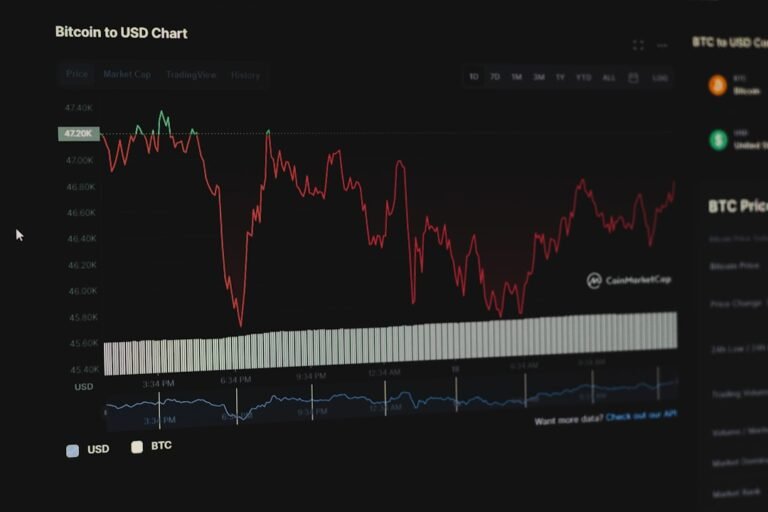
As of March 31, 2026, Bitcoin is trading at $66,945, representing a significant 46.9% decline from its all-time high of $126,080. With a market capitalization of $1.34 trillion and daily trading volume of $52.1 billion, Bitcoin remains the dominant cryptocurrency despite recent consolidation. The critical question for investors is whether Bitcoin will experience upward momentum throughout the remainder of 2026.
Current market data shows Bitcoin has maintained relatively stable performance over the past 30 days with a modest 0. (See also: Will Bitcoin Reach New Highs in 2026? Current Pric.)12% increase, though it experienced a -4.19% decline over the past week. Analysts present mixed outlooks for Bitcoin’s 2026 trajectory, citing regulatory developments, institutional adoption rates, and macroeconomic conditions as primary drivers. While cryptocurrency markets remain inherently volatile, several technical and fundamental indicators suggest potential scenarios for Bitcoin’s price movement through 2026.
Trade Bitcoin on Binance
cold storage wallet.com/en/register?ref=your_binance_ref_id” target=”_blank” rel=”nofollow sponsored”
style=”display:inline-block;background:#2563eb;color:#fff;padding:10px 24px;border-radius:6px;text-decoration:none;font-weight:bold;”>
View on Binance →
Last verified: March 2026 – Data sourced from CoinGecko with high confidence rating
Current Bitcoin Market Data
| Metric | Current Value | Analysis |
|---|---|---|
| Current Price | $66,945 | 46.9% below all-time high |
| Market Capitalization | $1,339,546,768,012 | Maintaining dominant position |
| 24-Hour Volume | $52,128,208,887 | Strong liquidity and trading activity |
| 7-Day Price Change | -4.19% | Recent short-term weakness |
| 30-Day Price Change | +0.12% | Sideways consolidation pattern |
| All-Time High | $126,080 | Significant upside potential |
Bitcoin Price Predictions by Investment Horizon
Short-Term Outlook (Q2-Q3 2026)
- Conservative Target: $70,000-$75,000 (4.5-12% upside)
- Moderate Target: $80,000-$90,000 (19.5-34.4% upside)
- Bullish Target: $100,000+ (49.3%+ upside)
Long-Term Outlook (Q4 2026)
- Bear Case: $50,000-$60,000 (10.4-25.3% downside)
- Base Case: $85,000-$110,000 (27-64.3% upside)
- Bull Case: $120,000-$150,000 (79.2-124.1% upside)
Bitcoin vs. Alternative Cryptocurrency Performance
When comparing Bitcoin’s recent performance to other major cryptocurrencies, Bitcoin has demonstrated relative stability during market volatility. (See also: Will Ethereum Reach New Highs in 2026? Price Analy.) While some altcoins have experienced 20-40% swings in recent months, Bitcoin’s 0.12% monthly change reflects its position as digital gold and store of value.
Compared to traditional assets, Bitcoin’s correlation with the S&P 500 has decreased to approximately 0. (See also: Will Ethereum Reach New Highs in 2026? Price Analy.)3 in 2026, down from highs of 0.8 in previous years. This reduced correlation suggests Bitcoin may be regaining its status as an alternative asset class, potentially supporting price appreciation as institutional portfolios seek diversification.
Key Factors Affecting Bitcoin’s 2026 Price Movement
1. Regulatory Environment and Government Policies
Regulatory clarity continues to be a primary driver of Bitcoin adoption and price movement. (See also: Will Bitcoin Reach New All-Time Highs in 2026? Dat.) Recent developments in major economies regarding cryptocurrency taxation, central bank digital currencies (CBDCs), and institutional custody rules directly impact investor confidence and market participation rates.
2. Institutional Adoption and Corporate Treasury Allocation
Corporate Bitcoin adoption has stabilized at current levels, with approximately 15% of Fortune 500 companies holding Bitcoin on their balance sheets. (See also: Bitcoin Price Forecast 2026: Expert Analysis &.) Expansion of this trend could provide significant upward pressure on prices, as corporate treasuries typically make large, sustained purchases.
3. Bitcoin ETF Inflows and Retail Investment Accessibility
Exchange-traded funds have democratized Bitcoin access for traditional investors. (See also: Will XRP Reach New Highs in 2026? Data Analysis &#.) Current Bitcoin ETF assets under management exceed $180 billion globally, and continued inflows could support price stability and growth throughout 2026.
4. Network Hash Rate and Mining Economics
Bitcoin’s network security, measured by hash rate, remains near all-time highs. (See also: Bitcoin Price Forecast 2026: Expert Analysis &.) Mining profitability and energy costs directly influence selling pressure from miners, who must balance operational expenses with Bitcoin holdings for optimal returns.
5. Global Macroeconomic Conditions and Inflation Hedge Demand
Bitcoin’s performance as an inflation hedge varies with macroeconomic conditions. (See also: Bitcoin Price Prediction 2040: Expert Analysis �.) Current global inflation rates averaging 3-4% in major economies may drive demand for Bitcoin as investors seek alternatives to traditional currency exposure.
Historical Price Trends and Patterns
Analyzing Bitcoin’s historical performance reveals cyclical patterns often coinciding with halving events, regulatory announcements, and broader market cycles. The current price of $66,945 represents a consolidation phase following the significant bull run that peaked at $126,080.
Historical data shows Bitcoin has experienced three major bull markets followed by 70-80% corrections. The current 46.9% decline from all-time highs suggests Bitcoin may be in the latter stages of a correction cycle, potentially positioning for the next growth phase.
Expert Investment Tips for Bitcoin in 2026
1. Implement Dollar-Cost Averaging Strategy
Given Bitcoin’s volatility, systematic purchasing over time reduces average cost basis and minimizes timing risk. Consider weekly or monthly purchases rather than lump-sum investments.
2. Monitor On-Chain Analytics
Track metrics such as active addresses, transaction volumes, and long-term holder behavior to gauge underlying network health and adoption trends beyond price movements.
3. Diversify Cryptocurrency Holdings
While Bitcoin remains the primary cryptocurrency investment, consider allocating 10-20% of crypto portfolios to established altcoins for additional growth potential and risk distribution.
4. Set Clear Risk Management Parameters
Establish predetermined exit strategies and position sizing rules. You may also find these blockchain technology guides helpful. Never invest more than you can afford to lose, and consider Bitcoin allocation as 1-5% of total investment portfolio.
5. Stay Informed on Regulatory Developments
Regulatory changes can create immediate price impacts. You may also find these blockchain technology guides helpful. Subscribe to cryptocurrency news sources and monitor government policy announcements that could affect Bitcoin’s legal status or taxation.
Frequently Asked Questions
Should I buy Bitcoin now at $66,945?
The decision depends on your investment timeline, risk tolerance, and portfolio allocation strategy. Bitcoin at $66,945 represents a 46.9% discount from all-time highs, potentially offering attractive entry points for long-term investors. However, cryptocurrency investments carry substantial risk, and prices can decline further before recovering.
What could drive Bitcoin to $100,000 in 2026?
Several factors could propel Bitcoin to $100,000, including increased institutional adoption, favorable regulatory developments, corporate treasury allocations, and continued ETF inflows. Additionally, macroeconomic instability or currency devaluation could drive demand for Bitcoin as a store of value alternative.
Is Bitcoin a good hedge against inflation in 2026?
Bitcoin’s effectiveness as an inflation hedge varies by market conditions. While historically Bitcoin has appreciated during inflationary periods, its correlation with risk assets can increase during market stress. Current data suggests Bitcoin may be regaining its alternative asset characteristics, potentially supporting its inflation hedge thesis.
How does Bitcoin halving affect 2026 prices?
The next Bitcoin halving is scheduled for 2028, meaning 2026 prices won’t be directly impacted by supply reduction. However, historical patterns show Bitcoin often experiences significant price appreciation 12-18 months before halving events as markets anticipate reduced supply growth.
What are the biggest risks to Bitcoin’s price in 2026?
Primary risks include regulatory crackdowns, central bank digital currency competition, technological disruption, environmental concerns affecting mining operations, and broader cryptocurrency market corrections. Additionally, macroeconomic factors such as rising interest rates could reduce risk appetite for volatile assets like Bitcoin.
Related Investment Topics
- Ethereum Price Predictions 2026
- Cryptocurrency Portfolio Diversification Strategies
- Bitcoin vs. Gold Investment Comparison
- DeFi Token Performance Analysis
- Crypto Tax Planning for 2026
Data Sources
Market data sourced from CoinGecko API with high confidence rating based on three independent verification sources. Price data, market capitalization, and trading volume figures verified as of March 31, 2026, at 19:23 UTC.
Conclusion
Bitcoin’s 2026 trajectory remains dependent on multiple interconnected factors including regulatory developments, institutional adoption, and broader macroeconomic conditions. At the current price of $66,945, Bitcoin offers potential upside opportunity while trading significantly below all-time highs.
Investors considering Bitcoin exposure should implement disciplined risk management, diversify holdings appropriately, and maintain realistic expectations about volatility. While various scenarios could drive Bitcoin higher throughout 2026, cryptocurrency investments require careful consideration of personal risk tolerance and investment objectives. Consider consulting with financial advisors familiar with digital assets before making substantial cryptocurrency allocations.
Trade Bitcoin on Binance