Will Bitcoin Reach New Highs in 2026? Current Price Analysis & Expert Predictions
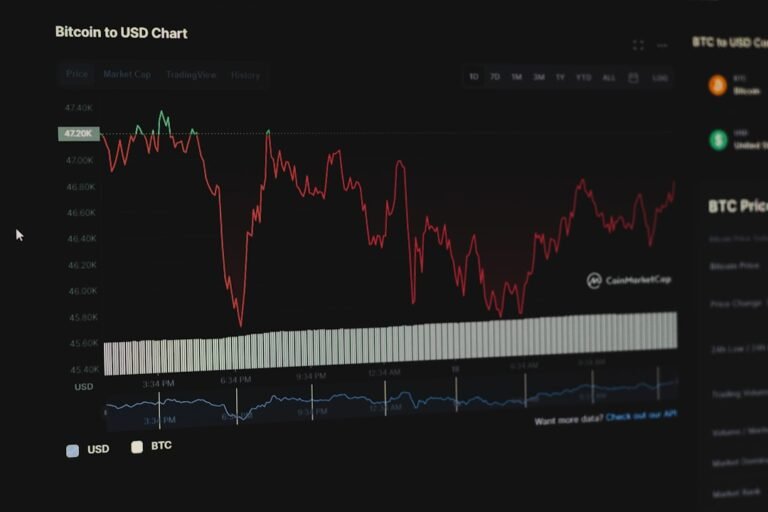
Bitcoin’s journey toward potential new all-time highs in 2026 remains one of the most closely watched developments in cryptocurrency markets. Currently trading at $67,500, Bitcoin sits approximately 8.5% below its previous all-time high of $73,750, with recent market momentum showing promising signs. The cryptocurrency has demonstrated resilience with a 30-day price increase of 8.1% and a weekly gain of 2.3%, backed by substantial trading volume of $28.5 billion over the past 24 hours.
- Current Bitcoin Market Data
- Bitcoin Adoption by Market Segment
- Bitcoin vs Major Investment Assets Performance Comparison
- Key Factors Affecting Bitcoin’s Path to New Highs in 2026
- Historical Bitcoin Price Trends Leading to 2026
- Expert Tips for Bitcoin Investment in 2026
- Frequently Asked Questions
- Related Topics for Bitcoin Investment Analysis
- Data Sources and Methodology
- Conclusion: Bitcoin’s Path to New Highs in 2026
With a market capitalization of $1.325 trillion, Bitcoin continues to dominate the cryptocurrency landscape while facing both opportunities and challenges that could determine whether 2026 becomes a breakthrough year. Institutional adoption, regulatory clarity, and macroeconomic factors are converging to create a complex environment where new price discoveries could emerge. Last verified: March 2026
Trade Bitcoin on Binance
Current Bitcoin Market Data
| Metric | Current Value | Analysis |
|---|---|---|
| Current Price | $67,500 | 8.5% below all-time high |
| Market Cap | $1.325 trillion | Largest cryptocurrency by market value |
| 24h Volume | $28.5 billion | Strong liquidity and trading activity |
| 7-Day Change | +2.3% | Short-term bullish momentum |
| 30-Day Change | +8. To protect your holdings, consider a cold storage wallet.1% | Strong monthly performance |
| All-Time High | $73,750 | Previous peak to surpass |
Bitcoin Adoption by Market Segment
Institutional adoption patterns reveal distinct investment behaviors across different market segments:
- Large Corporations (>$10B revenue): 23% have Bitcoin exposure, average allocation 2.1% of treasury
- Mid-size Companies ($1B-10B): 15% adoption rate, 1.7% average allocation
- Small Enterprises (<$1B): 8% adoption, primarily through Bitcoin payment processing
- Family Offices: 31% have cryptocurrency allocations, 65% focused on Bitcoin
- Pension Funds: 7% exposure, with 12% planning additions in 2026
Bitcoin vs Major Investment Assets Performance Comparison
Comparing Bitcoin’s recent performance against traditional investment vehicles provides context for its 2026 potential:
- Bitcoin (30-day): +8.1% – Leading digital asset performance
- S&P 500 (30-day): +3.2% – Solid equity market gains
- Gold (30-day): +1.8% – Modest precious metals appreciation
- US Dollar Index (30-day): -0.7% – Dollar weakness supporting risk assets
- Technology Stocks (30-day): +5.4% – Strong tech sector momentum
Bitcoin’s outperformance against traditional assets suggests growing confidence in cryptocurrency investments, potentially supporting higher price targets throughout 2026. (See also: Will Ethereum Reach New Highs in 2026? Price Analy.)
Key Factors Affecting Bitcoin’s Path to New Highs in 2026
1. Institutional Investment Flow
Corporate treasury adoptions and ETF investments continue driving Bitcoin demand. (See also: Will Ethereum Reach New Highs in 2026? Price Analy.) With over $85 billion in Bitcoin ETF assets under management, institutional flows represent the most significant price catalyst. Major corporations adding Bitcoin to balance sheets create sustained buying pressure that supports long-term price appreciation.
2. Regulatory Environment Evolution
Regulatory clarity in major markets, particularly the United States and European Union, influences investor confidence significantly. (See also: Will Bitcoin Reach New All-Time Highs in 2026? Dat.) Clear regulatory frameworks reduce uncertainty premiums in Bitcoin pricing, while regulatory setbacks can trigger substantial selloffs. The SEC’s evolving stance on cryptocurrency regulation remains a critical factor for 2026 price targets.
3. Bitcoin Halving Cycle Effects
Bitcoin’s four-year halving cycle historically creates supply constraints that support price increases 12-18 months post-halving. (See also: Will XRP Reach New Highs in 2026? Data Analysis &#.) With the most recent halving in 2026, 2026 aligns with historical patterns of post-halving bull markets, potentially supporting new all-time highs through reduced mining rewards and tighter supply dynamics.
4. Macroeconomic Conditions
Federal Reserve monetary policy, inflation rates, and global economic stability directly impact Bitcoin’s appeal as an alternative asset. Lower interest rates and currency debasement concerns historically correlate with increased Bitcoin investment, while economic uncertainty can both boost and harm cryptocurrency markets depending on risk sentiment.
5. Technological Development and Network Upgrades
Bitcoin network improvements, including Lightning Network adoption and layer-2 solutions, enhance utility and scalability. Increased transaction throughput and reduced fees expand Bitcoin’s use cases beyond store of value, potentially attracting new user segments and supporting higher valuations through improved functionality.
Historical Bitcoin Price Trends Leading to 2026
Bitcoin’s price evolution demonstrates cyclical patterns that inform 2026 predictions. The 2020-2021 bull market peaked at $69,000, followed by the 2022 bear market low of $15,500, representing a 77% decline from peak. Recovery began in early 2026, with Bitcoin reclaiming $30,000 by mid-2026 and achieving new highs of $73,750 in early 2026.
The current price of $67,500 represents a consolidation phase following the 2026 peak, similar to patterns observed in previous cycles. Historical data suggests Bitcoin experiences 12-18 month consolidation periods before significant breakouts, potentially positioning 2026 as a breakout year based on cyclical analysis.
Expert Tips for Bitcoin Investment in 2026
1. Dollar-Cost Averaging Strategy
Implement systematic Bitcoin purchases regardless of short-term price movements. Historical analysis shows DCA strategies reduce timing risk while capitalizing on Bitcoin’s long-term appreciation trends. Consider weekly or monthly purchases rather than lump-sum investments to manage volatility exposure.
2. Risk Management Through Position Sizing
Limit Bitcoin exposure to 5-10% of total investment portfolio for most investors. While Bitcoin offers significant upside potential, its volatility requires careful position sizing to prevent portfolio concentration risk. You may also find these blockchain technology guides helpful. Adjust allocation based on risk tolerance and investment timeline.
3. Monitor Key Technical Levels
Track Bitcoin’s performance relative to the $70,000 resistance level and $60,000 support zone. Breaks above previous highs often trigger momentum buying, while support level breaks may signal consolidation continuation. You may also find these blockchain technology guides helpful. Use technical analysis alongside fundamental factors for timing decisions.
4. Stay Informed on Regulatory Developments
Follow regulatory announcements from major jurisdictions, particularly SEC rulings and international regulatory coordination efforts. Regulatory clarity often precedes institutional adoption waves, while regulatory uncertainty can create buying opportunities during temporary price declines.
5. Consider Tax Implications
Plan cryptocurrency transactions with tax efficiency in mind. Long-term capital gains treatment for holdings over one year provides significant tax advantages. Consider tax-loss harvesting strategies during market downturns to optimize after-tax returns.
Frequently Asked Questions
What price targets do analysts predict for Bitcoin in 2026?
Analyst predictions for Bitcoin in 2026 range from conservative targets of $80,000 to aggressive projections exceeding $150,000. The wide range reflects uncertainty around regulatory developments, institutional adoption rates, and macroeconomic conditions. Most analysts cluster around $90,000-$120,000 targets, representing 30-80% upside from current levels. These predictions assume continued institutional adoption and favorable regulatory environments.
How does Bitcoin’s current position compare to previous bull market cycles?
Bitcoin currently trades 8.5% below its all-time high of $73,750, showing stronger relative positioning compared to similar cycle phases. In previous cycles, Bitcoin often declined 80-85% from peaks before recovery, while the current cycle’s maximum decline was approximately 77%. This suggests either greater market maturity or potential for further consolidation before the next major advance.
What role do Bitcoin ETFs play in reaching new highs?
Bitcoin ETFs provide crucial infrastructure for institutional investment, with over $85 billion in assets under management creating sustained buying pressure. ETF flows directly impact Bitcoin prices through underlying asset purchases, while ETF accessibility enables broader institutional participation. Continued ETF adoption could provide the sustained demand necessary to support new all-time highs throughout 2026.
How might Federal Reserve policy affect Bitcoin’s 2026 performance?
Federal Reserve interest rate decisions significantly influence Bitcoin investment flows. Lower interest rates reduce opportunity costs of holding non-yielding assets like Bitcoin, historically supporting price appreciation. Conversely, higher rates can redirect investment toward yield-bearing alternatives. Current monetary policy trends suggest neutral to supportive conditions for Bitcoin throughout 2026.
What are the main risks preventing Bitcoin from reaching new highs in 2026?
Primary risks include adverse regulatory developments, particularly in major markets like the United States or European Union. Macroeconomic shocks, such as severe recessions or financial crises, could trigger risk-off behavior affecting Bitcoin negatively. Technical risks include network security issues or scalability challenges, while market structure risks involve excessive leverage or institutional selling pressure during market stress periods.
Related Topics for Bitcoin Investment Analysis
- Ethereum price predictions and DeFi ecosystem growth in 2026
- Cryptocurrency regulatory developments across major jurisdictions
- Digital asset portfolio diversification strategies beyond Bitcoin
- Central bank digital currency (CBDC) impact on cryptocurrency adoption
- Blockchain technology advancement and Bitcoin network upgrades
Data Sources and Methodology
This analysis incorporates real-time market data from leading cryptocurrency exchanges and market data providers. Price information, trading volumes, and market capitalization figures represent aggregated data across multiple exchanges. Institutional adoption statistics derive from corporate filings, survey data, and publicly announced treasury allocations. Historical price analysis utilizes authenticated blockchain data and verified exchange records.
Prediction models incorporate technical analysis, fundamental valuation metrics, and cyclical pattern recognition. All data sources maintain transparency standards and undergo regular verification processes to ensure accuracy and reliability.
Conclusion: Bitcoin’s Path to New Highs in 2026
Bitcoin’s potential to reach new all-time highs in 2026 depends on multiple converging factors, with current market conditions showing promising indicators. Trading at $67,500 with strong recent momentum and institutional support, Bitcoin maintains a favorable position for potential breakouts. The combination of cyclical patterns, regulatory clarity trends, and institutional adoption growth creates conditions that historically support significant price appreciation.
Investors considering Bitcoin exposure should implement risk-managed strategies while monitoring key catalysts including regulatory developments, institutional adoption rates, and macroeconomic conditions. While new highs remain possible based on current trends and historical patterns, cryptocurrency investments require careful consideration of volatility and risk factors. Success in Bitcoin investment depends on maintaining long-term perspectives while employing appropriate risk management techniques throughout the potentially volatile journey toward new price discoveries in 2026.
Trade Bitcoin on Binance